In the realm of commercial construction, In the realm of commercial construction, ADA compliance regulations for commercial spaces play a pivotal role in ensuring accessibility for all individuals, regardless of their physical capabilities. As businesses strive to create inclusive environments, understanding these regulations becomes essential not only for legal adherence but also for fostering community trust and patronage. In California, where diversity and inclusivity are celebrated, the nuances of these regulations can significantly impact the design and functionality of commercial spaces. The Americans with Disabilities Act (ADA) was enacted to eliminate barriers that prevent individuals with disabilities from participating fully in society. For commercial spaces, this means that everything from entrance ramps to restroom facilities must meet specific guidelines.
However, navigating these regulations can be complex, especially for those unfamiliar with the details. In this article, we will delve into the intricacies of ADA compliance regulations for commercial spaces in California. We will explore the essential requirements, common pitfalls to avoid, and the benefits of ensuring that your commercial property is accessible to everyone. Whether you are a seasoned contractor, an aspiring business owner, or simply someone interested in the topic, understanding these regulations is crucial in today’s inclusive landscape. Join us as we unravel the complexities of ADA compliance and equip you with the knowledge needed to create accessible, welcoming spaces that adhere to legal standards while also serving the needs of your community. Understanding ADA compliance regulations for commercial spaces is crucial for contractors, architects, and property owners in California. The Americans with Disabilities Act (ADA) was enacted to eliminate barriers that prevent individuals with disabilities from accessing public spaces.
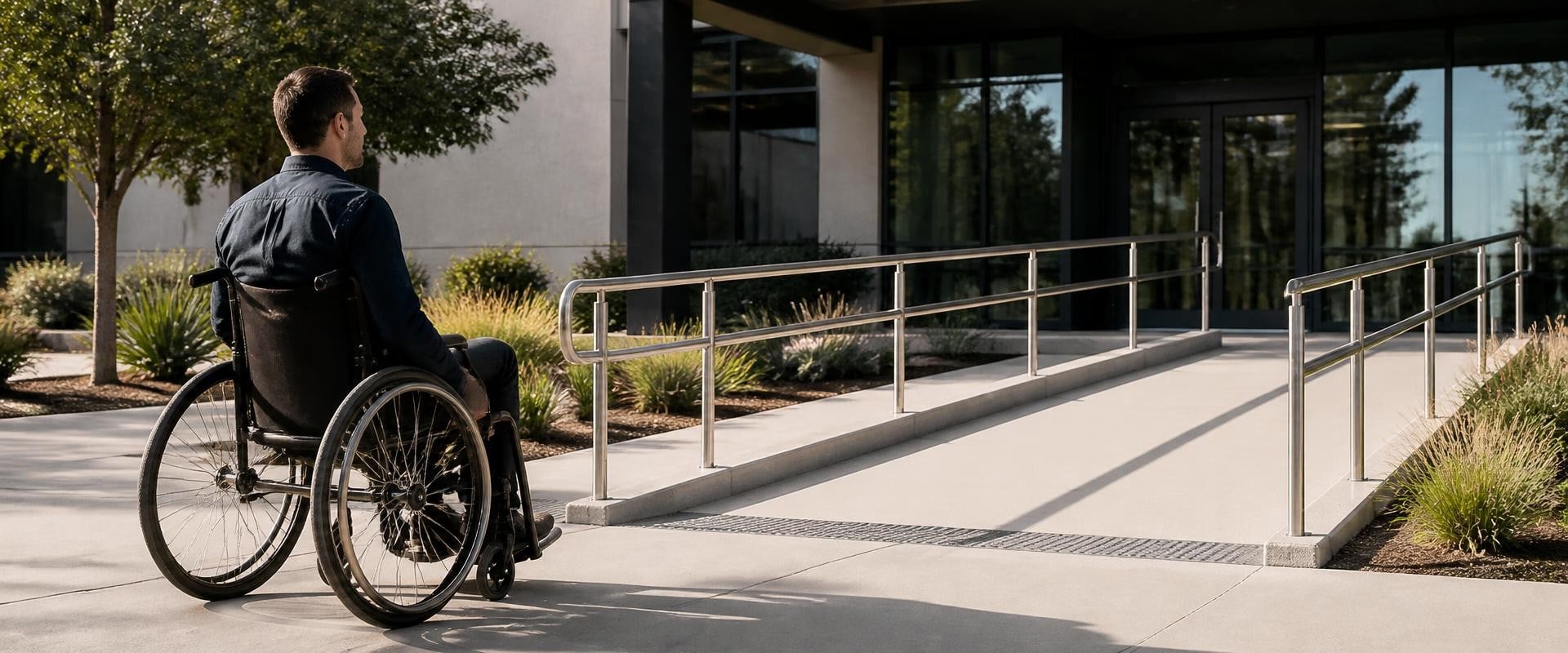
In the context of commercial construction, these regulations ensure that all facilities are accessible and usable by people with a wide range of disabilities, including those who use wheelchairs, have visual impairments, or face other mobility challenges. One of the key aspects of ADA compliance is the requirement for accessible routes throughout commercial spaces. This includes ensuring that pathways are wide enough, free from obstacles, and equipped with appropriate ramps and handrails. For example, a retail store must have an entrance that is accessible to individuals in wheelchairs, which often means installing automatic doors or ramps that meet specific slope requirements. Furthermore, ADA regulations dictate that restrooms in commercial buildings must be equipped with accessible stalls, grab bars, and sinks that can be used by individuals with various disabilities. In restaurants, this might include accessible seating arrangements and menus available in alternative formats for those with visual impairments.
These design elements not only meet legal requirements but also enhance the customer experience for all patrons. Obtaining the necessary permits for a commercial construction project in California involves adhering to both state and local building codes alongside ADA compliance. Contractors must ensure they are familiar with the specific requirements outlined by the California Building Code (CBC), which may have additional stipulations regarding accessibility beyond federal regulations. This can involve submitting detailed plans to local authorities that demonstrate how the project will comply with both ADA standards and local laws. Contractors often face challenges when trying to integrate ADA regulations into existing buildings. For instance, retrofitting an older structure to meet modern accessibility standards can be particularly complex and costly.
One common solution is to conduct a thorough accessibility audit before beginning renovations. This audit identifies existing barriers and outlines a clear plan for compliance. Engaging with accessibility consultants during the design phase can also provide valuable insights into feasible solutions for compliance while maintaining aesthetic goals. In recent years, there have been updates to ADA compliance regulations, reflecting evolving understandings of accessibility needs. For example, modifications have been made regarding service animals and their definition under the ADA, which impacts businesses' policies on allowing certain animals on their premises.
Staying informed about such changes is essential for contractors working on ongoing or upcoming projects to avoid potential legal ramifications. Ultimately, understanding and implementing ADA compliance regulations for commercial spaces not only mitigates legal risks but also fosters an inclusive environment that benefits all individuals. Ensuring accessibility can enhance a business's reputation and broaden its customer base by welcoming individuals who may otherwise face barriers in accessing services. As such, it is imperative for all stakeholders involved in commercial construction to prioritize these regulations throughout the planning and building process.
Overview of ADA Compliance Regulations
ADA compliance regulations are designed to ensure that individuals with disabilities have equal access to public spaces, including commercial properties. The Americans with Disabilities Act (ADA), enacted in 1990, is a civil rights law that prohibits discrimination based on disability and mandates accessibility standards in various aspects of public life. The fundamental principles of ADA compliance revolve around providing reasonable accommodations for individuals with disabilities.This includes ensuring that commercial spaces have accessible entrances, restrooms, parking facilities, and pathways. Compliance is not just about meeting legal requirements; it also reflects a commitment to inclusivity and community engagement. For contractors and developers, understanding these regulations is crucial during the planning and construction phases. Non-compliance can lead to legal challenges, including lawsuits and fines, which can significantly impact a project's timeline and budget. Furthermore, adhering to ADA standards can enhance the marketability of a commercial property by attracting a broader customer base. In California, specific regulations may augment federal standards, necessitating a thorough understanding of both sets of guidelines.
This ensures that homeowners planning renovations also consider ADA compliance, especially when altering existing structures or constructing new facilities. Ultimately, accessibility is not merely a regulatory obligation; it is an essential aspect of creating welcoming environments for all individuals.
Key Requirements for Commercial Spaces
ADA compliance is crucial for ensuring that commercial spaces are accessible to everyone, including individuals with disabilities. The Americans with Disabilities Act (ADA) outlines several key requirements that must be met in order to create an inclusive environment. One of the primary considerations is the accessible entrance. All commercial buildings must have at least one accessible route for individuals with mobility impairments.This includes ramps, elevators, and automatic doors, which should be clearly marked and easy to navigate. Restrooms are another critical area of compliance.
ADA regulations
stipulate that restrooms must have accessible stalls that accommodate wheelchairs, grab bars for support, and sinks that are at an appropriate height for all users. It is essential to ensure that these facilities are maintained and kept clean to promote usability. In addition to entrances and restrooms, signage plays a vital role in accessibility. All signage must include braille and raised characters, be located at appropriate heights, and provide clear directions within the commercial space.This ensures that individuals with visual impairments can easily navigate the environment. Lastly, accessible parking is a requirement that cannot be overlooked. Commercial spaces must provide designated accessible parking spots that are conveniently located near the entrance. These spaces should be clearly marked with the appropriate signage and should have sufficient space for wheelchair access. Understanding and implementing these key ADA requirements not only helps businesses comply with regulations but also enhances the overall experience for all customers, demonstrating a commitment to accessibility and inclusivity.
Common Challenges in ADA Compliance
Ensuring ADA compliance in commercial spaces can be a complex process, often presenting various challenges for contractors. One of the primary obstacles is understanding the specific requirements outlined in the ADA regulations.These regulations can be intricate and vary based on the type of facility, making it essential for contractors to have a thorough knowledge of the applicable guidelines. Another significant challenge is the incorporation of accessible design elements into existing structures. Many older buildings were not designed with accessibility in mind, leading to difficulties in retrofitting features such as ramps, elevators, and accessible restrooms. Contractors may face structural limitations that complicate modifications, requiring innovative solutions to achieve compliance. Moreover, there is often confusion surrounding local codes and state regulations that may further impact ADA compliance. Different jurisdictions may have additional requirements or interpretations of the ADA standards, making it critical for contractors to stay informed about local laws to avoid potential legal issues. Budget constraints can also hinder compliance efforts.
Many contractors are tasked with balancing accessibility improvements with overall project costs. To overcome this challenge, it is advisable to prioritize ADA compliance from the project’s inception, integrating these considerations into the initial design and budget planning stages. Lastly, training and educating staff about ADA compliance are vital. Contractors may encounter challenges due to a lack of understanding among their team regarding the importance of accessibility features and how to implement them effectively. Providing ongoing training can help address this gap and ensure that everyone involved is committed to achieving compliance.
Recent Trends and Updates in ADA Regulations
In recent years, ADA compliance regulations have evolved to better accommodate the needs of individuals with disabilities, particularly in the context of commercial spaces.One notable trend is the increasing emphasis on digital accessibility, acknowledging that many services and information are now primarily accessed online. This has led to updated guidelines that encourage businesses to ensure their websites and online services are compliant with ADA standards. Another significant update involves the accessibility of newly constructed facilities. The Department of Justice has been actively promoting the adoption of the 2010 ADA Standards for Accessible Design, which provide clearer requirements for accessible features such as parking, entrances, and restrooms. As a result, contractors and developers are encouraged to integrate these standards into their planning and building processes. Moreover, there has been a growing recognition of the importance of inclusive design.
This approach not only meets compliance requirements but also enhances customer experience and satisfaction. Many businesses are now viewing ADA compliance as an opportunity rather than just a legal obligation, leading to innovative designs that cater to a wider audience. Legislation at both state and federal levels continues to evolve, with some jurisdictions introducing stricter enforcement mechanisms and higher penalties for non-compliance. These changes highlight the importance of staying informed about local regulations, as they can vary significantly across regions. Finally, as awareness of disability rights increases, more organizations are prioritizing ADA compliance in their corporate responsibility initiatives. This trend is driving a broader commitment to accessibility within the construction industry, encouraging contractors to seek continuous education on best practices and regulatory updates.
Navigating California Permits and Local Regulations
Obtaining building permits in California that comply with ADA compliance regulations for commercial spaces involves several critical steps that ensure your project meets both state and federal accessibility standards.Understanding this process is essential for contractors, homeowners planning renovations, and any stakeholders involved in commercial construction. The first step is to familiarize yourself with the California Building Code (CBC) and the specific ADA compliance regulations. These codes outline the standards for accessible design in public accommodations and commercial facilities. It is vital to ensure that your plans integrate these requirements from the outset to avoid costly modifications later. Next, you will need to submit a building permit application to your local permitting authority. This application typically requires detailed architectural plans that clearly illustrate compliance with the ADA.
Be prepared to provide documentation that outlines how your project will accommodate individuals with disabilities, including accessible entrances, restrooms, and pathways. After submission, the local authority will review your plans. This may involve multiple departments, including zoning, planning, and building inspection. During this review process, it is crucial to respond promptly to any requests for additional information or modifications to your designs. Engaging with a knowledgeable architect or contractor who has experience with ADA compliance can be invaluable at this stage. Once your application is approved, you will receive your building permit.
However, obtaining the permit is just the beginning. Throughout the construction process, you must ensure ongoing compliance with ADA regulations. Regular inspections by local authorities may occur, so it is important to stay proactive in addressing any potential issues that arise. Finally, after construction is complete, a final inspection will be conducted to verify that all ADA compliance regulations have been met. Successfully passing this inspection is crucial for obtaining a certificate of occupancy, which allows you to officially open your commercial space. In summary, navigating California permits and local regulations requires careful planning and thorough understanding of ADA compliance regulations for commercial spaces.
By following the outlined steps and ensuring adherence to all legal requirements, you can create an accessible environment that benefits everyone. In conclusion, adhering to ADA compliance regulations for commercial spaces is crucial not only for fostering inclusivity but also for ensuring legal accountability. By understanding and implementing these regulations, contractors and homeowners can significantly enhance accessibility, which ultimately benefits the entire community. It is essential for those involved in commercial construction to remain informed about current regulations and guidelines, as well as to seek professional advice when necessary to navigate the complexities of compliance.