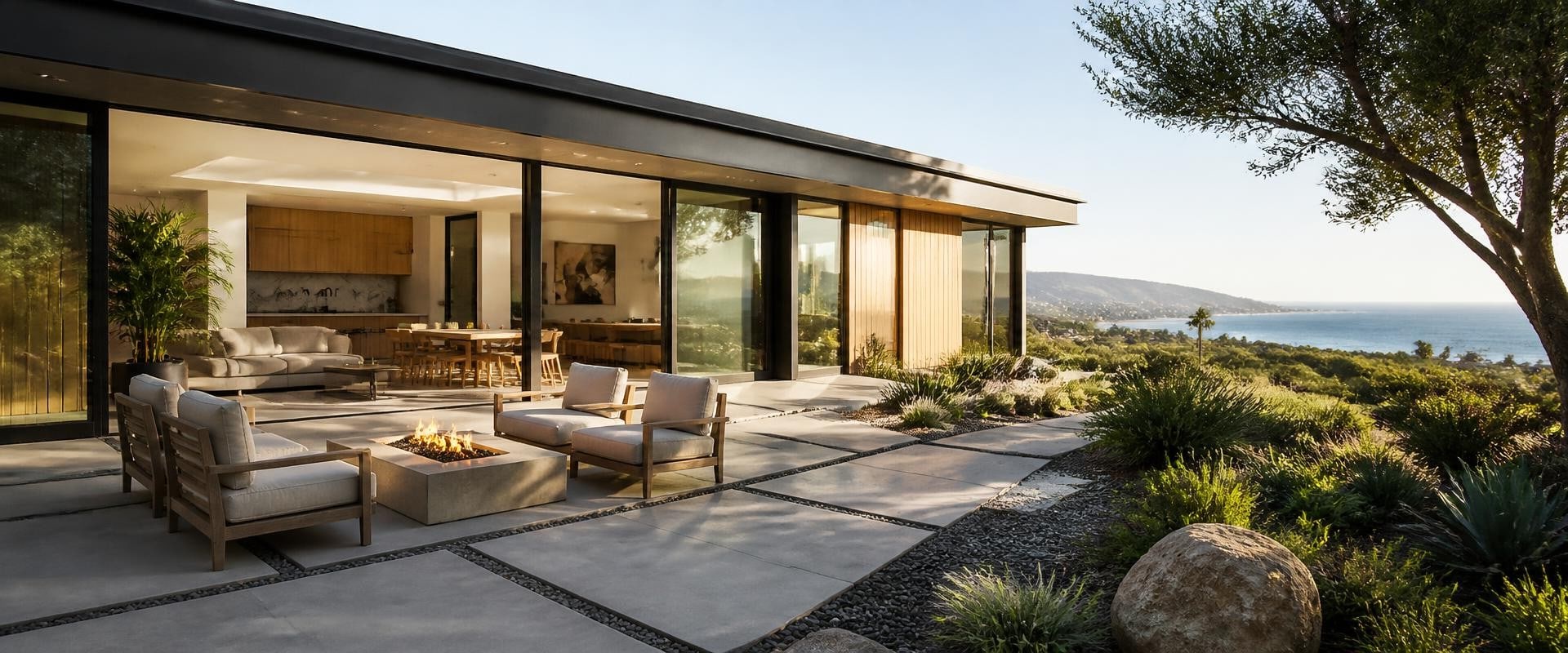
As we navigate through the evolving landscape of home design and construction, it becomes increasingly clear that the predicted trends in home design and construction materials are shaping the future of our living spaces. California, known for its diverse architecture and innovative building practices, is at the forefront of this transformation. With the rise of sustainability, technological advancements, and changing consumer preferences, homeowners and builders alike are seeking to create spaces that are not only aesthetically pleasing but also environmentally responsible. This article delves into the exciting emerging trends in home design and construction materials that are set to redefine residential spaces in California. From eco-friendly materials to smart home technologies, we will explore how these trends are influencing the way we build and live.
As we move forward, understanding these shifts will be crucial for homeowners, architects, and builders who aim to stay ahead of the curve in a competitive market. Join us as we uncover the key drivers behind these trends and what they mean for the future of residential construction in California. Whether you are planning to build your dream home or simply curious about the latest innovations in home design, this exploration promises to provide valuable insights that will inspire and inform. Home design and construction in California is undergoing a transformative shift, driven by various factors including climate change, technological advancements, and evolving consumer preferences. The dynamic nature of this sector necessitates an understanding of predicted trends in home design and construction materials that promise to reshape the residential landscape in the coming years. One of the most significant trends is the adoption of sustainable building materials. Homeowners and builders are increasingly prioritizing materials that minimize environmental impact.
This includes recycled materials, sustainably sourced wood, and low-VOC (volatile organic compounds) products that contribute to healthier indoor air quality. Regulations in California encourage such practices, as the state aims to reduce greenhouse gas emissions and promote sustainable building practices. For instance, the Title 24 Building Energy Efficiency Standards require the use of energy-efficient materials and construction practices, further emphasizing the importance of sustainability. Another prominent trend is the implementation of This includes recycled materials, sustainably sourced wood, and low-VOC (volatile organic compounds) products that contribute to healthier indoor air quality. Regulations in California encourage such practices, as the state aims to reduce greenhouse gas emissions and promote sustainable building practices. For instance, the Title 24 Building Energy Efficiency Standards require the use of energy-efficient materials and construction practices, further emphasizing the importance of sustainability. Another prominent trend is the implementation of energy-efficient designs. New homes are being built with improved insulation, high-performance windows, and energy-efficient HVAC systems that significantly reduce energy consumption.
The integration of solar panels has become commonplace, not only due to state incentives but also because homeowners recognize the long-term savings on utility bills. The California Solar Mandate requires that all new residential construction include solar energy systems, making energy efficiency a key consideration in home design. Moreover, smart home technology integration is quickly becoming a standard feature in new constructions. Homeowners are looking for convenience and enhanced control over their living environments through smart devices. This technology can manage lighting, heating, cooling, and security systems remotely, improving overall energy efficiency and comfort.
However, as homeowners embrace these technologies, they must also navigate local regulations regarding data privacy and security features to ensure compliance. The principle of biophilic design is also gaining traction in California’s residential architecture. This design philosophy emphasizes the connection between nature and the built environment, encouraging designs that incorporate natural light, ventilation, and greenery. Homes that feature large windows, open spaces, and indoor gardens not only improve aesthetic appeal but also promote well-being among occupants. Local regulations may influence how these elements are incorporated into designs, especially concerning environmental impact assessments and permits required for landscaping modifications. Several successful projects across California embody these trends.
For example, the Zero Net Energy (ZNE) homes built in Marin County showcase how sustainable materials and energy-efficient technologies can come together to create homes that produce as much energy as they consume. These projects serve as models for future developments but also highlight challenges such as higher upfront costs and navigating complex permit processes. Homeowners and contractors face potential challenges while adapting to these emerging trends. The regulatory landscape can be daunting; understanding local building codes and obtaining necessary permits can delay projects and increase costs. Furthermore, there may be resistance from traditional contractors who are less familiar with innovative materials or technologies. For example, the Zero Net Energy (ZNE) homes built in Marin County showcase how sustainable materials and energy-efficient technologies can come together to create homes that produce as much energy as they consume. These projects serve as models for future developments but also highlight challenges such as higher upfront costs and navigating complex permit processes. Homeowners and contractors face potential challenges while adapting to these emerging trends. The regulatory landscape can be daunting; understanding local building codes and obtaining necessary permits can delay projects and increase costs. Furthermore, there may be resistance from traditional contractors who are less familiar with innovative materials or technologies.
Stakeholders must engage in continuous education to stay informed about new regulations and best practices. Concerns from various stakeholders also play a critical role in this evolving landscape. Homeowners are keen on aesthetic improvements and sustainability but often worry about costs and compliance with regulations. Contractors face the challenge of upskilling their workforce to meet new demands while navigating intricate permitting processes. Regulators must balance promoting innovation with ensuring safety and environmental responsibility. In conclusion, understanding predicted trends in home design and construction materials is essential for anyone involved in California’s residential construction market.
By focusing on sustainability, energy efficiency, smart technology integration, and biophilic principles, stakeholders can create homes that not only meet current demands but also anticipate future needs.
Navigating Permits and Regulations
Obtaining building permits in California is a crucial step in the home design and construction process. The state has a comprehensive set of regulations that ensure safety, environmental protection, and community standards. To start, homeowners and contractors must understand the local zoning laws that dictate what can be built and where. These laws vary by city and county, making it essential to check with local planning departments. The process typically begins with submitting an application to the relevant local authority.This application often requires detailed plans and specifications of the proposed project. The inspection process is another vital aspect; after the permit is granted, various inspections are scheduled throughout the construction phase to ensure compliance with building codes and safety standards. Homeowners and contractors should also be aware of potential delays in the permitting process, which can arise from incomplete applications or changes in project plans. To streamline the experience, it is advisable to prepare all necessary documentation thoroughly and engage with local officials early in the planning stages. Being proactive about understanding local regulations not only facilitates smoother project execution but also helps avoid costly fines or required modifications later on.
Smart Home Technology Integration
The rise of smart homessmart homes in California reflects a significant shift in modern home design, driven by technological advancements and evolving consumer expectations.Homeowners increasingly seek to enhance their living spaces with integrated technology that promotes convenience, energy efficiency, and security. As a result, the incorporation of smart home technology has become a vital aspect of residential construction. From intelligent lighting systems and automated thermostats to advanced security features and voice-controlled appliances, the integration of technology into home design is transforming how Californians interact with their living environments. These innovations not only improve the quality of life for residents but also contribute to sustainability by optimizing energy consumption. However, as contractors embrace this trend, it is essential to consider the regulatory landscape that governs the installation of smart technologies. Compliance with local codes and standards is crucial to ensure safety and functionality.
Additionally, contractors must be aware of any specific requirements related to data privacy and cybersecurity, as smart devices often collect and transmit personal information. In summary, the integration of smart home technology in California's residential construction is reshaping the future of home design. By understanding both the benefits and regulatory considerations, contractors can successfully navigate this evolving landscape and meet the demands of modern homeowners.
Sustainable Building Materials
In recent years, the emphasis on sustainability has transformed the construction landscape in California. Homeowners and builders alike are increasingly prioritizing sustainable building materials as they seek to minimize their environmental footprint. Among the latest innovations are reclaimed wood, which not only adds character to homes but also reduces the demand for new timber, helping to conserve forests and reduce deforestation.This material is often sourced from old barns, factories, and other structures, giving a second life to wood that would otherwise go to waste. Another popular choice in sustainable construction is recycled metal. This material is versatile and can be used for everything from framing to roofing. By repurposing metal that has already been produced, builders can significantly cut down on energy usage and emissions associated with mining and processing new materials. In addition to these options, eco-friendly insulation materials are gaining traction. Products made from natural fibers such as sheep's wool, cotton, or even hemp provide excellent thermal performance while being biodegradable and non-toxic.
These materials not only improve energy efficiency in homes but also contribute to healthier indoor air quality. The state of California has enacted various laws and incentives to encourage the use of these sustainable materials. Building codes have been updated to promote eco-friendly practices, while financial incentives such as tax credits and rebates are available for homeowners who opt for sustainable building materials. These initiatives reflect California's commitment to addressing climate change and supporting a greener future for residential construction.
Energy Efficiency in Home Design
In the evolving landscape of home design, energy efficiency has become a paramount consideration for homeowners and builders alike. As California grapples with the realities of climate change, the integration of energy-efficient technologies is essential in reducing carbon footprints and promoting sustainability. One of the most significant advancements in this area is the widespread adoption of solar panels.These systems harness the sun's energy to generate electricity, significantly lowering utility bills and decreasing dependence on fossil fuels. California's abundant sunshine makes it an ideal location for solar energy implementation, and many homeowners are taking advantage of state incentives that encourage the installation of solar panels.Another crucial component of energy-efficient home design is the installation of energy-efficient windows. These windows are designed to minimize heat loss during colder months and reduce heat gain in warmer months, leading to improved indoor comfort and reduced energy consumption. By investing in high-performance windows, homeowners can benefit from lower heating and cooling costs while enhancing the overall aesthetic appeal of their homes. Additionally, the rise of smart thermostats has revolutionized how residents manage their home energy use.
These devices allow homeowners to monitor and control their heating and cooling systems remotely, ensuring that energy is used efficiently. With features like learning algorithms and automated scheduling, smart thermostats can adapt to user preferences while optimizing energy use. California's government actively promotes the adoption of these innovative technologies through various incentives and rebates. Homeowners can take advantage of tax credits, rebates for energy-efficient appliances, and even financing options for renewable energy projects. Understanding these opportunities is crucial for those looking to make their homes more energy-efficient.
Biophilic Design Principles
Biophilic design is an innovative approach that seeks to connect building occupants more closely to nature.This design philosophy is increasingly relevant in the context of creating healthier living environments, especially in the wake of rising urbanization and climate change challenges. By integrating natural elements into the built environment, biophilic design aims to improve well-being, enhance creativity, and promote overall health. One of the key aspects of biophilic design is the incorporation of natural light, which has been shown to boost mood and productivity. Large windows, skylights, and open spaces allow sunlight to filter into homes, creating a warm and inviting atmosphere. Additionally, using materials such as wood, stone, and other natural finishes can evoke a sense of calm and connection to the outdoors. Another significant principle of biophilic design is the integration of greenery within living spaces.
This can be achieved through indoor plants, green walls, or rooftop gardens, which not only enhance aesthetic appeal but also improve air quality. For instance, new developments in California are increasingly featuring biophilic elements like communal gardens and landscaped terraces that encourage residents to engage with their environment. Water features are also a hallmark of biophilic design, providing soothing sounds and visuals that can reduce stress and promote relaxation. Developers are now incorporating fountains or ponds into residential layouts to create tranquil outdoor spaces where residents can unwind. Overall, the relevance of biophilic design in California's residential construction landscape cannot be overstated. As more builders recognize the benefits of creating environments that foster a connection with nature, we can expect to see an increase in developments that prioritize these principles, ultimately leading to healthier, happier communities.
Industry News and Future Predictions
The construction industry in California is undergoing significant transformation, influenced by a variety of factors including legislative changes, innovative projects, and evolving consumer demands.Recent news highlights the California Building Standards Commission's adoption of new energy efficiency standards aimed at reducing greenhouse gas emissions. This legislative shift is part of the state's broader commitment to sustainability and combating climate change, pushing builders to adopt more eco-friendly practices and materials. Another noteworthy development is the rise of smart home technology integration in residential buildings. As consumers increasingly seek homes that offer both comfort and efficiency, builders are responding by incorporating advanced technologies such as energy management systems, smart appliances, and automated home controls. This trend not only meets consumer preferences but also aligns with California’s stringent energy regulations. Looking ahead, predictions suggest that the demand for sustainable construction materials will continue to grow.
As awareness around environmental issues increases, homeowners are likely to favor materials that are not only sustainable but also durable and low-maintenance. Furthermore, advancements in technology are expected to drive innovation in construction materials, leading to the development of products that are both environmentally friendly and cost-effective. In addition to material trends, there is an anticipated shift in architectural styles. With the growing emphasis on outdoor living spaces in response to California's favorable climate, future home designs may increasingly incorporate features such as expansive patios, green roofs, and gardens that blur the lines between indoor and outdoor spaces. Finally, the importance of complying with local regulations cannot be overstated. As new laws come into effect, homeowners and builders must stay informed about permitting processes and compliance requirements to avoid costly delays or penalties.
A proactive approach to understanding these regulations will be crucial for anyone involved in residential construction in California. In conclusion, the emerging trends in home design and construction materials in California highlight the necessity for both homeowners and contractors to stay informed and adaptable. As we navigate the complexities brought on by factors such as climate change, technological advancements, and shifting consumer preferences, it becomes clear that knowledge is power in this evolving landscape. For homeowners planning renovations, understanding these trends can lead to more sustainable and efficient choices that enhance their living spaces while also contributing positively to the environment. Similarly, contractors who keep abreast of these developments will not only meet the needs of modern consumers but also maintain a competitive edge in a rapidly changing market. We encourage our readers to engage with local resources, including building departments and trade organizations, for the most current updates on regulations and best practices. Staying connected to your community can provide invaluable insights into sustainable building materials, energy efficiency, and the latest in smart home technology.
Together, we can build a future that is not only innovative but also responsible and reflective of our shared values.